


14 Dec How Bronze Sculptures Weather Outdoors: What to Expect Over Time
How Bronze Sculptures Weather Outdoors: And What to Expect Over Time
Introduction
One of the most common questions we are asked is “What will happen to a bronze sculpture once it lives outside?”
The simple answer is: very little – and that’s exactly why bronze has been trusted for example for centuries.
True bronze garden sculptures are designed to be displayed outdoors, whatever the British weather brings. Over time, for example they don’t rust, flake or fail – instead, a patina is developed on bronze That moreover totally enhances their character over a lifetime.
In this article, we explain how bronze sculptures weather outdoors. What changes you can expect to see. And furthermore why genuine bronze is very different from many so‑called “bronze effect” alternatives.
What Is a True Bronze Garden Sculpture?
In summary a genuine bronze sculpture is for example cast using a traditional bronze alloy. Typically in fact containing copper and tin. This also creates a dense, durable material that is ideal for outdoor use.
High-quality bronze garden sculptures are:
Solid and heavy
And naturally corrosion resistant
Also finished by hand with chemical patinas
Moreover designed to age gracefully outdoors
This is in fact very different from lightweight decorative pieces that are simply coloured to look like bronze.
How Bronze Sculptures Weather Outdoors Over Time
The Natural Patina Process
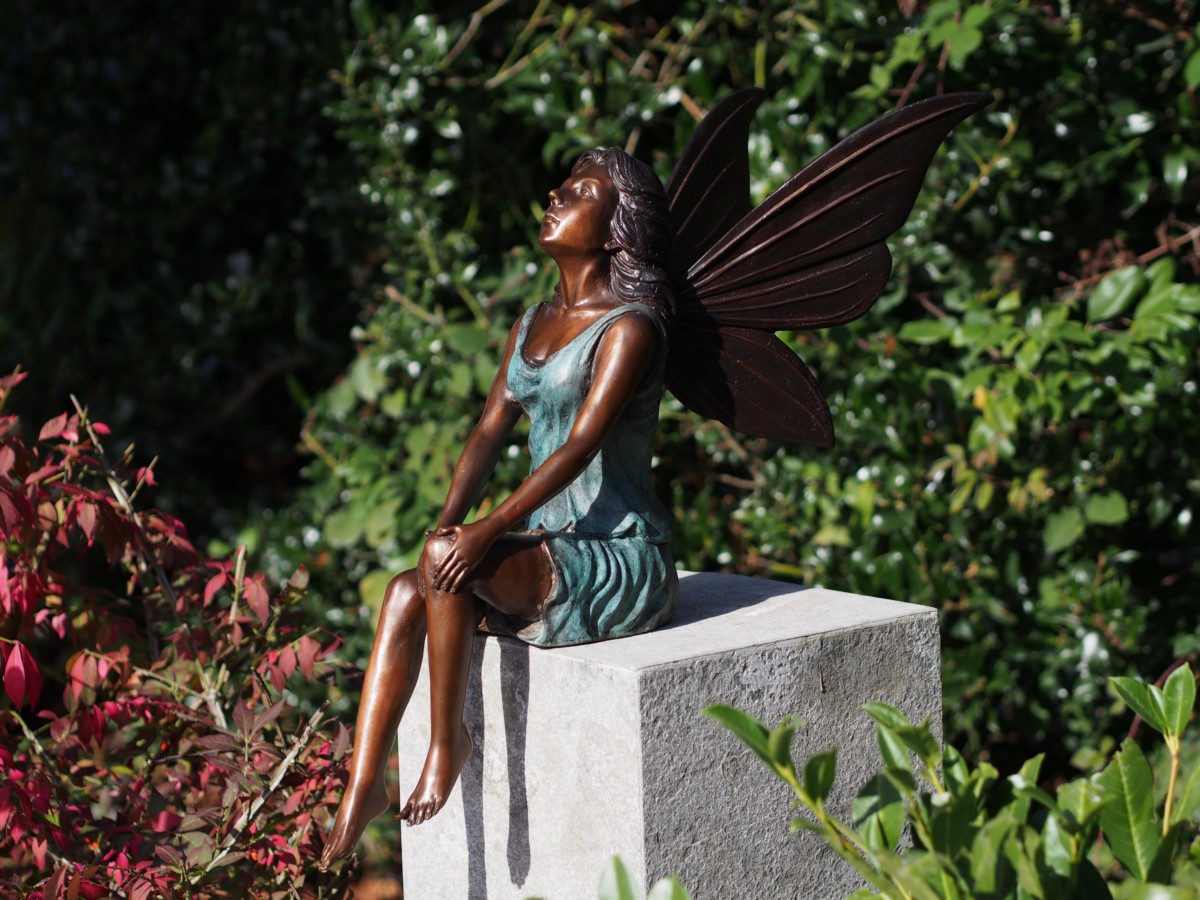
When bronze is exposed to the elements, it reacts gently with air and moisture. This process forms namely a patina – a thin protective layer on the surface.
Depending on the environment, this patina may ultimately:
Deepen brown tones
Soften highlights
Introduce subtle green or verdigris hues
This change is not damage – it is a protective layer that actually helps preserve the sculpture beneath.
Weather Resistance in All Seasons
For outdoor use, bronze sculptures are widely regarded as being among the most durable materials available.
True bronze garden sculptures are able to withstand rain and frost exceptionally well.
Sunlight and heat
Coastal air and damp conditions
Unlike iron or steel, bronze does not rust, and unlike resin or painted finishes, it will not peel or crack.
Verdigris: A Feature, Not a Fault
Verdigris is the greenish-blue finish often associated with aged bronze. Some sculptures are deliberately finished with verdigris highlights, while others may develop it naturally over many years.
Depth is added through this process
Enhances sculptural details
Is prized in historic bronze statues worldwide
this finish is considered desirable by many collectors, verdigris to be one of bronze’s most beautiful qualities.
Bronze vs ‘Bronze Effect’ Garden Sculptures
It’s worth knowing that not everything sold as a bronze sculpture is actually bronze.
Some garden ornaments are made from alternative metals or materials and finished with a bronze-coloured coating or spray. While they may look similar at first glance, their behaviour outdoors is very different.
Over time, these alternatives may:
Show surface oxidisation
Develop bubbling or flaking
Lose their colour or finish
Require repainting or replacement
True bronze is not reliant on a surface coating for its colour or protection. Its colour and patina are part indeed of the material itself, meaning it ages naturally rather than deteriorates.
Caring for Bronze Garden Sculptures
One of the joys of bronze is how little maintenance it needs.
The sculpture can be left untouched to allow the natural ageing process to be enjoyed.
Occasionally rinse with clean water
Apply a specialist wax if you wish to preserve the original finish
There is no requirement for painting, sealing or ongoing treatment.
Why Bronze Is Ideal for UK Gardens
With changing seasons, including damp winters and coastal air in many areas, the UK climate can be demanding. Bronze overall remains one of the most reliable materials for outdoor sculpture because it:
For outdoor use, bronze sculptures are widely considered to be among the most durable materials available.
Performs beautifully year-round
Gains character with age
Retains its value over time
Offers a timeless, classic appearance
This is why bronze has been used for garden statuary, fountains and public monuments for generations.
When bronze sculptures are displayed outdoors, they are designed to be exposed to the elements. Over time, a natural patina is formed on the surface as air and moisture are encountered. These changes are widely regarded as desirable characteristics of genuine bronze garden sculptures.
If you would like to view the Bronze Garden Fairy pictured click here Bronze Garden Fairy Sculpture
Final Thoughts: Investing in Timeless Quality
Understanding how bronze sculptures weather outdoors. Indeed helps for instance to explain why genuine bronze remains such a popular choice for gardens.
In fact rather than fading or failing, true bronze develops personality, depth and history. Each piece becomes unique, shaped gently by its surroundings.
When choosing a garden sculpture. Investing in authentic bronze ensures you are buying something designed not just to be admired today. Not only that but to be enjoyed for decades to come.
Explore our range of genuine bronze garden sculptures, for instance chosen for their craftsmanship, durability and enduring beauty.
Throughout history, bronze has been used for outdoor sculpture because of its durability and natural resistance to corrosion.
In outdoor settings,
bronze sculptures are designed to be left exposed to the elements. Over time, subtle changes are introduced by air and moisture, and a natural patina is formed on the surface. These changes are considered desirable and are valued as part of the sculpture’s character.
In outdoor settings, bronze sculptures are widely regarded as being among the most durable materials available, and their natural ageing process is often viewed as part of their appeal.
When bronze sculptures are placed outdoors, they are intended to be left exposed to the elements. Over time, subtle changes are caused by air, moisture and temperature, and a protective patina is formed on the surface. These surface changes are widely regarded as desirable and are valued as part of the sculpture’s character. Because of this, bronze is considered one of the most reliable materials for year-round garden display.

No Comments